From Estates to Glass Towers: A Guide to Buckhead’s Architectural Heritage
If you have ever driven through Buckhead and wondered how a single zip code can feel simultaneously timeless and cutting-edge, the answer lies in its architecture. Within a few square miles, Atlanta’s most prestigious enclave transitions from grand 20th-century estates and winding garden suburbs to the sleek, glass-walled residential towers of Peachtree Road.
Understanding these distinct styles is more than an academic exercise; it is essential for evaluating curb appeal, lifestyle fit, and long-term investment value. Here is a look at the architectural layers that define the Buckhead identity.
The Estate Belt: Classical Grandeur
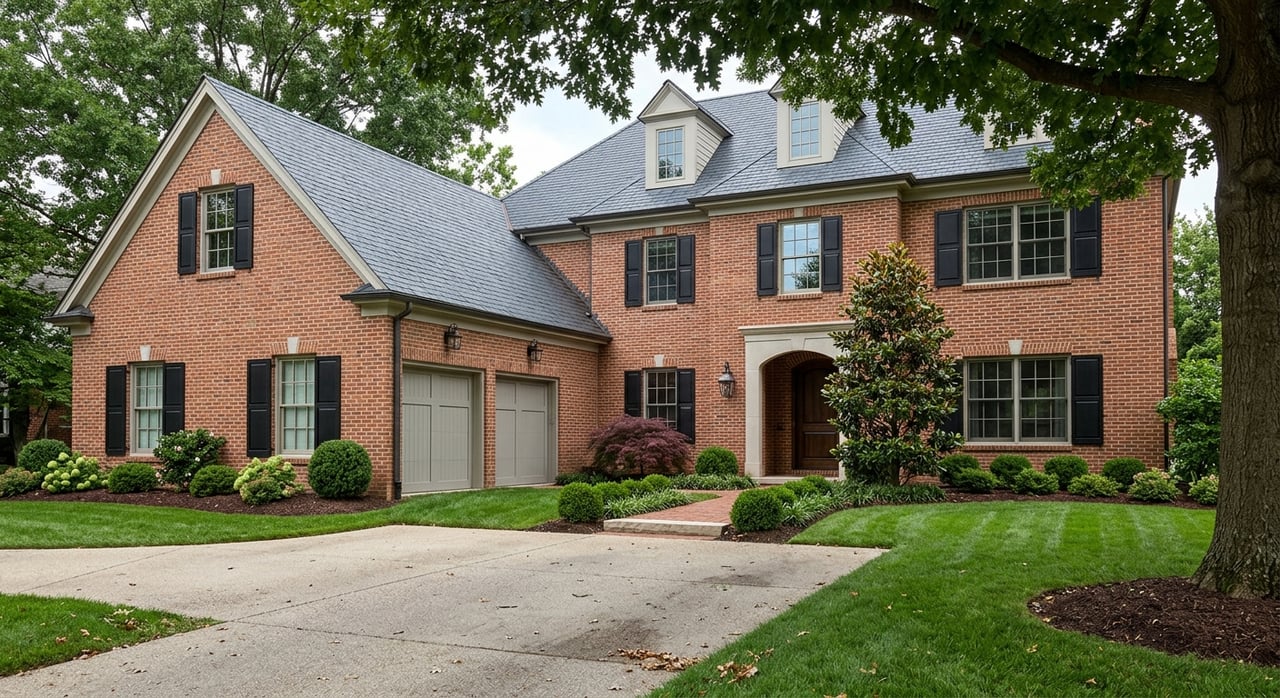
In neighborhoods like Tuxedo Park, West Paces Ferry, and Peachtree Heights Park, the dominant aesthetic is the "carefully sited" estate. These homes are defined by expansive grounds, deep setbacks, and a sense of ceremony.
-
Classical and Georgian Influence: Many of Buckhead’s most iconic residences are classical in spirit. The legendary Swan House serves as the ultimate reference point, a masterpiece of Second Renaissance Revival design featuring Italian Mannerist facades and Palladian-inspired porticos.
-
The Experience: These homes offer a sense of permanence. You will find symmetry, formal central halls, and a structured sequence of rooms that prioritize privacy and tradition over modern "open-concept" layouts.
The Garden Suburbs: Character and Variety
In areas like Garden Hills and Peachtree Heights East, the architecture becomes more picturesque and varied, trading strict formality for visual texture.
-
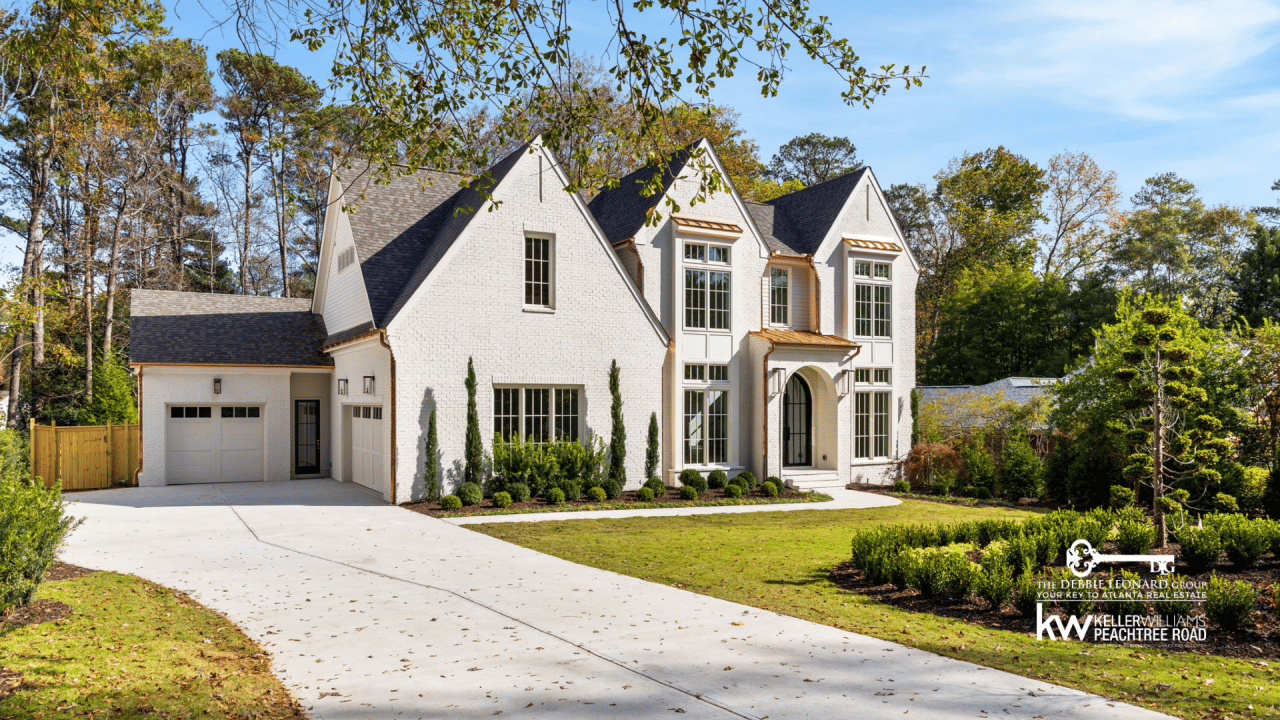
Tudor and Revival Styles: Here, you’ll find steeply pitched roofs, decorative half-timbering, and textured brickwork. Beyond the Tudor influence, these streets are dotted with French Eclectic, Spanish Mission, and Craftsman bungalows.
-
The Neighborhood Feel: This area represents the "approachable" side of Buckhead luxury. It’s where grand architecture meets a family-oriented, walkable community setting.
Mid-Century Modernism & The Post-War Shift
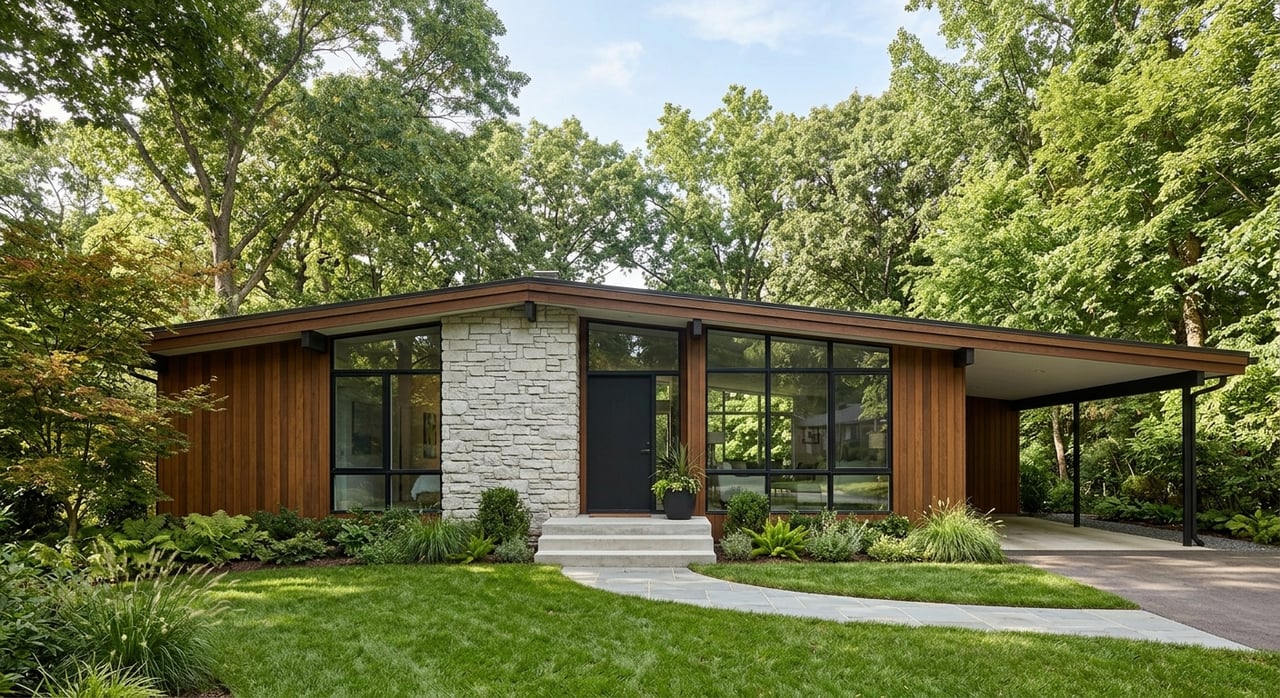
After World War II, Buckhead embraced a cleaner, more geometric aesthetic. This era introduced homes that prioritized open plans, expressive structures, and floor-to-ceiling glass.
-
Architectural Landmarks: Standouts like the Cecil and Hermione Alexander House, noted for its circular plan and folded-plate roof, marked a radical departure from the masonry traditions of the early 1900s.
-
The Appeal: For the modern buyer, these homes offer a spare, "less-is-more" aesthetic that focuses on the seamless connection between indoor and outdoor living.
The High-Rise Corridor: Skyline Living
The Buckhead skyline is defined by its luxury towers along Peachtree Road. From the International Style of Plaza Towers to the ultra-modern glass curtain walls of recent developments, high-rise living offers a different version of luxury.
-
The Focus: Contemporary tower living is less about exterior ornament and more about verticality, light, and views. With ceiling heights ranging from 10 to 13 feet and expansive private terraces, these properties cater to those seeking "lock-and-leave" convenience and a cosmopolitan pulse.
Why Architecture Dictates Market Value
In Buckhead, style is inextricably linked to investment strategy. Whether you are buying or selling, the architectural "language" of the property dictates its market position:
-
Preservation vs. Modernization: In historic districts like Garden Hills, preserving original millwork and exterior details is often the key to maximizing resale. Conversely, in the high-rise corridor, value is driven by tech integration and premium finish levels.
-
Regulatory Nuance: It is vital to distinguish between a National Register listing and a Local Historic District. The latter may require a "Certificate of Appropriateness" for exterior changes, which can impact renovation timelines and costs.
-
Targeted Marketing: The strongest marketing highlights what buyers already love about a specific style, whether that’s the "stately presence" of a Georgian manor or the "skyline vistas" of a penthouse.
Ready to Find Your Buckhead Masterpiece?
Navigating Buckhead’s diverse architectural landscape requires an eye for design and a deep respect for local history. Whether you are captivated by the historic charm of a Tudor cottage or the sleek lines of a modern glass estate, we provide the concierge-level guidance and polished marketing required to navigate this sophisticated market.
Looking to buy, sell, or receive a private valuation of your Buckhead home?
Contact The Debbie Leonard Group Today
Call Us: (404) 419-3500
Experience the Gold Standard in Atlanta Luxury Real Estate.
Frequently Asked Questions
Which neighborhoods are known for "Estate" homes? Tuxedo Park and West Paces Ferry are the primary hubs for grand, large-lot estates with deep setbacks and formal landscaping.
What is the difference between a National Register listing and a Local Historic District? A National Register listing is an honorific that may provide tax incentives but doesn't restrict property rights. A Local Historic District (like parts of Garden Hills) has local ordinances that regulate exterior changes.
Do modern high-rises hold their value as well as historic homes? Both categories perform well, but for different reasons. Historic homes offer "scarcity value," while high-rises offer "lifestyle value" through proximity to Buckhead’s premier dining and retail core.