Dreaming of coffee on the deck with sparkling Lake Lanier views, but unsure what buying near the water in Buford really involves? You want the lifestyle, but you also need clarity on docks, permits, flood risk, boat traffic, and long-term upkeep. In this guide, you’ll learn the essentials that matter most around Buford and Gwinnett so you can shop with confidence and protect your investment. Let’s dive in.
Lake Lanier basics
Lake Sidney Lanier was created by Buford Dam and spans about 38,000 surface acres with roughly 690 to 700 miles of shoreline, depending on water levels. The U.S. Army Corps of Engineers manages the lake for flood control, hydropower, recreation, and downstream water supply. Buford sits primarily in Gwinnett County and extends into Hall County, so parcels can sit under different city, county, and federal rules. Water levels fluctuate seasonally and with management decisions, which can affect shoreline position and dock usability.
Jurisdiction and permits
Buying on or near Lake Lanier means different agencies may oversee different things. Plan to verify with the right office early.
- US Army Corps of Engineers: shoreline access rules, dock permits, and public land use.
- Gwinnett and Hall County planning and zoning: setbacks, building permits, septic or sewer, short-term rental rules, and property taxes.
- City of Buford: local ordinances if the property lies within city limits.
- Georgia Department of Natural Resources: boating safety, invasive species, and some water-quality guidance.
- FEMA Flood Insurance Rate Maps: flood zone and elevation certificate checks.
Waterfront property types
Not all “lake” homes are the same. Know the differences before you compare prices or amenities.
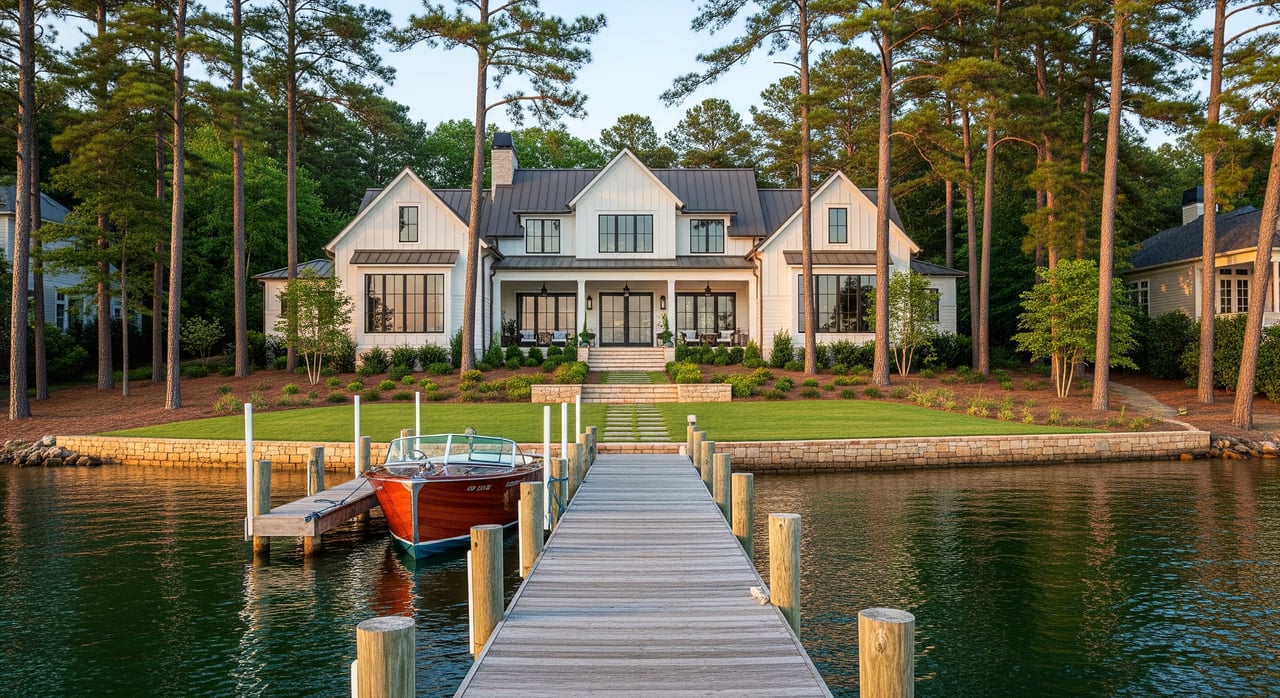
- True lakefront with private dock: direct water access and higher convenience, with higher maintenance and premiums.
- Lake view: elevated or set back with views but no shoreline access, often lower maintenance.
- Deeded boat slips in a community: boating access without private shoreline; HOA rules and slip allocations apply.
- Walk-to-water or seasonal access: proximity to the lake but may not include dock rights; new docks can be restricted.
- Adjacent to USACE shoreline or public parks: private riparian rights may be limited due to federal easements or public land.
Riparian rights and ownership
Riparian rights depend on your deed and the location of the high-water line. Do not assume you can build or enlarge a dock without permits. Some shoreline is federal land managed by the USACE, which enforces strict standards and can limit or deny new encroachments.
Dock permits and access
Private fixed docks, floating docks, boat lifts, and covered slips are common on Lanier. The best choice depends on water depth variation and wake exposure. The USACE runs the dock permitting process and local counties can require additional building permits and setbacks. Expect inspections and application fees.
Community or shared docks are frequent in planned developments. Review HOA rules, maintenance responsibilities, and any waitlists for slip allocation. Shoreline structures like seawalls, riprap, and bulkheads often require added review and permits.
Boating patterns and safety
Lake Lanier has multiple public ramps and private marinas, and conditions change by season. Peak activity runs from late spring to early fall, with the heaviest congestion on Memorial Day weekend, June through August, the Fourth of July, and Labor Day weekend. Weekends bring more wakes and noise near popular corridors and around Lanier Islands and busy marinas. Off-season traffic drops, which can change how a property feels day to day.
Georgia law and the Georgia DNR govern equipment and operation, including life jacket requirements for children, lighting, and boating under the influence. USACE enforces speed and no-wake zones near dams, swim areas, and sensitive shorelines. Local patrols and rangers enforce safety and noise rules, and some neighborhoods adopt additional quiet or slow-speed guidelines through HOAs.
Insurance and flood risk
Many lake-adjacent parcels sit in or near FEMA flood zones. Before you write an offer, get current FEMA maps for the parcel and an elevation certificate if available. Lenders may require flood insurance, and premiums hinge on elevation, zone, and home-specific features. Standard homeowners policies can limit or exclude coverage for docks and boathouses, so separate or rider coverage is common.
Shoreline erosion and upkeep
Lakeshore can erode due to wakes, storms, and water-level shifts. Stabilization choices include riprap, retaining walls, vegetative buffers, and engineered solutions. Many options require permits from the USACE and the county, so plan ahead. Budget for ongoing maintenance of riprap, docks, and seawalls, since lifecycle and costs vary by materials and exposure.
Seasonal maintenance matters. Secure or winterize docks and lifts, check flotation and anchorage after low-water events, and inspect for storm or high-wind damage. Regularly service decks, boat lifts, and shoreline structures to prevent small issues from becoming expensive repairs.
Water quality and invasives
Lake Lanier experiences periodic water-quality challenges such as nutrient loading and localized algal blooms in warm months. Harmful algal blooms can affect recreation and pet safety when conditions are right. Invasive plants can appear in Georgia waters, so boaters should clean trailers and gear to curb spread. Septic systems and shoreline landscaping practices influence nutrient runoff, and local buffer and septic rules aim to protect water quality.
Septic, sewer, and utilities
Do not assume a lake home is on public sewer. Many parcels rely on septic systems that need valid permits, soil evaluation, and regular pump-outs or repairs. Confirm sewer versus septic with the county health department and schedule a septic inspection if needed. Utilities are generally available in developed Buford neighborhoods, but more rural shoreline lots may face higher connection costs or limited options.
Inspections and due diligence
Plan a standard home inspection and add lake-specific reviews. A marine contractor should inspect the dock and shoreline structures. A structural specialist can evaluate moisture and foundation conditions. Schedule a septic evaluation if the home is not on sewer, and verify permits for all shoreline work, including older docks or seawalls.
Use this quick checklist:
- Confirm exact jurisdiction for city, county, taxes, and schools.
- Pull FEMA flood maps and obtain an elevation certificate if available.
- Collect all permits for docks, seawalls, and shoreline work.
- Order dock and boathouse inspections by a marine contractor.
- Review HOA documents and slip agreements if applicable.
- Verify sewer versus septic and schedule a septic inspection.
- Check recent water-quality advisories for Lake Lanier.
- Get insurance quotes for homeowners, flood, wind or hail, and dock coverage.
- Visit during peak weekend hours to gauge traffic, wakes, and noise.
Lifestyle and resale
Lakefront living offers instant access to the water and scenic views, with a community rhythm that peaks in summer. Expect higher maintenance, specialized insurance, and more on-water activity near popular corridors. Nearby non-waterfront neighborhoods around Buford can offer lower maintenance and easy access to shopping and services, with boating via public ramps or marinas.
Resale performance depends on dock access, shoreline condition, proximity to busy recreation nodes, and clarity of riparian rights. Some buyers consider short-term rentals, but rules vary by county, city, and HOA, so confirm before you rely on that income. Commute times, school assignments, and tax structures can vary by county and city boundary, so review these details for each parcel.
Smart next steps
If you are serious about a Buford-area lake home, line up your due diligence early.
- Identify whether the address is in the City of Buford, Gwinnett County, or Hall County.
- Speak with the USACE dock permit office about the property’s shoreline status.
- Request copies of existing permits for docks and shoreline structures.
- Price insurance scenarios that include flood and dock coverage.
- Schedule specialized inspections, including dock, shoreline, and septic if applicable.
- Tour on summer weekends to see real-world boat traffic.
Ready to compare specific properties and streamline the process with concierge guidance? Connect with The Debbie Leonard Group for tailored advice on Buford and Lake Lanier homes, white-glove coordination, and data-driven strategy.
FAQs
What should Buford Lake Lanier buyers know about dock permits?
- The USACE manages dock permits on Lake Lanier, and counties may require additional building permits and setbacks. Never assume a dock can be added or expanded without approvals, and always verify existing permits in writing.
Do Buford lakefront homes require flood insurance?
- Many parcels lie in or near FEMA flood zones, and lenders may require flood policies. Get the FEMA map for the address, obtain an elevation certificate if available, and compare quotes before making an offer.
How busy is boat traffic near Lanier Islands and Buford marinas?
- Peak congestion occurs late spring through early fall, especially on holiday weekends. Expect larger wakes, more noise, and limited ramp parking during these times, with quieter conditions in the off-season.
What inspections are essential for a Lake Lanier property in Buford?
- In addition to a standard home inspection, schedule a dock and shoreline evaluation by a marine contractor, a structural moisture and foundation check, and a septic inspection if the home is not on sewer.
Are short-term rentals allowed for Buford lake homes?
- Rules differ by city, county, and HOA. Confirm restrictions, occupancy limits, and parking guidelines with the City of Buford or county offices and review HOA covenants before pursuing a rental strategy.
How do septic systems impact Lake Lanier water quality near Buford?
- Properly permitted and maintained septic systems reduce nutrient runoff that can contribute to algal blooms. Verify system status with the county health department and follow recommended maintenance schedules.