If you picture riverfront living in Roswell as a row of homes with docks and a resort feel, the reality is a little different, and for many buyers, more interesting. Here, life near the Chattahoochee is shaped by trails, parks, historic character, and practical planning as much as by the water itself. If you are considering a move to this part of north Fulton, it helps to understand what daily life really looks like before you buy. Let’s dive in.
Riverfront Living Means Corridor Living
In Roswell, riverfront living is less about a single waterfront strip and more about the broader Chattahoochee River corridor. The river has long been central to the city’s identity, from Roswell’s early industrial history to its current focus on parks, trails, and greenspace. That gives the area a lifestyle that feels connected to nature without being isolated from the rest of the city.
The Chattahoochee River National Recreation Area runs through a 48-mile corridor with multiple park units, and Roswell’s section reflects that layered experience. You are not simply buying “on the water.” You are buying into a setting where river access, wooded views, trail connections, and public park spaces all help define the value of the area.
Roswell also became a Certified Community Wildlife Habitat in 2013, which reinforces the city’s strong outdoor identity. For buyers, that often translates into a greener, more natural feel than you might expect in a suburban market this close to metro Atlanta.
Daily Life Is Built Around Access
One of the biggest differences in Roswell is that the river is part of everyday infrastructure, not just a scenic backdrop. The city’s Bicycle and Pedestrian Master Plan is designed to improve connections to parks, schools, the Historic District, and the Chattahoochee River. Roswell says it has nearly 204.8 miles of sidewalk facilities and another 19.2 miles of multi-use paths or trails.
That matters because your experience of river-adjacent living is shaped by how easily you can move through the area. A quick walk, a bike ride, or an afternoon on the trail may become part of your normal routine. For many buyers, that lifestyle value is just as important as the home itself.
The city is still investing in those connections. The Historic Gateway project is intended to connect the Riverwalk trail system, the Chattahoochee Bike/Pedestrian Bridge, and National Park Service trails along the SR 9, Riverside, and Azalea corridor. In plain terms, Roswell’s river access is active and evolving, not frozen in place.
Weekends Tend To Be Outdoors First
If you live near the river in Roswell, weekends often start outside. Riverside Park offers a canoe and kayak launch, fishing, an outdoor stage, a sprayground, and both hiking and multi-use trails. Don White Memorial Park adds fishing docks, river and creek access, trails, and another launch point.
Roswell River Landing adds a kayak and canoe launch plus an observation deck over the river. The city also highlights rentals at 203 Azalea Drive through Nantahala Outdoor Center for canoes, kayaks, rafts, tubes, paddleboards, and bicycles. That gives you multiple ways to enjoy the corridor without needing to plan a full day trip.
This is one reason Roswell’s river lifestyle feels active instead of purely scenic. You can build a routine around paddling, walking, biking, or simply spending time near the water. The river becomes part of how you use the area, not just part of what you see from a window.
Social Life Often Extends Beyond The River
Roswell’s riverfront appeal also connects naturally with the city’s social side. Historic Canton Street is known as a walkable district with sidewalk cafes, restaurants, and boutiques. It also hosts Alive in Roswell every third Thursday from April through October, which adds a recurring community event rhythm during much of the year.
Riverside Sounds at Riverside Park adds another layer to that mix. In other words, river-adjacent living in Roswell can feel social as well as outdoors-focused. You may spend the morning on a trail or at the launch, then head to dinner or an event later the same day.
For many buyers, that balance is the real draw. You get access to greenspace and recreation, but you are not choosing a remote or one-note setting. The lifestyle is more textured than a simple “waterfront” label suggests.
History Shapes The Feel Of The Area
Another thing that makes Roswell different is the strong historical character around parts of the river corridor. Vickery Creek and Old Mill Park add an unmistakable sense of place, with trails leading to the 1850s Old Mill Ruins, a covered bridge, and an overlook for the historic waterfall. Right now, water access at the waterfall is suspended, while the trails remain open.
That detail is important because it shows what this area is really about. In many parts of Roswell, the appeal comes from walking the preserve, seeing historic features, and enjoying the landscape rather than using every water feature for swimming or direct recreation. It is a preserve experience, not a resort experience.
The same preservation-minded feel carries into Historic Roswell more broadly. The city’s historic house museums, including Barrington Hall, Bulloch Hall, Mimosa Hall, and Smith Plantation, reflect architectural roots that still shape the area’s identity today.
Homes Near The River Are Not One-Size-Fits-All
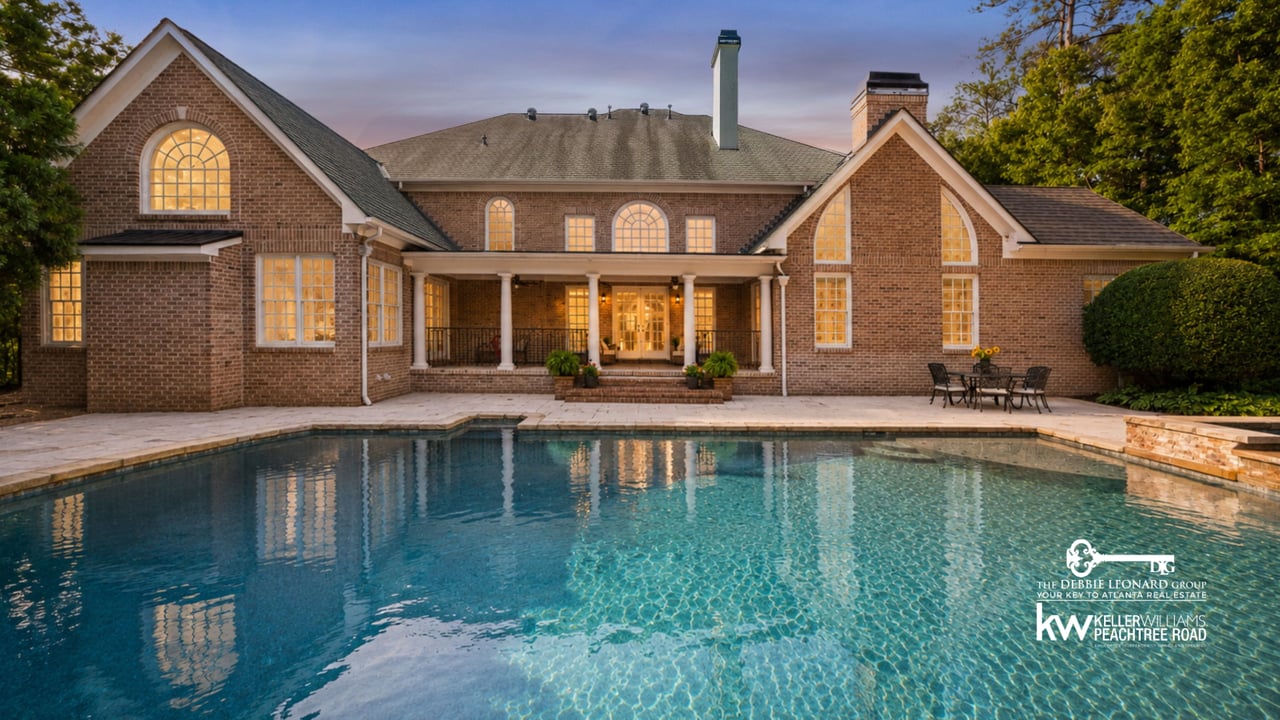
Buyers are sometimes surprised by how varied the housing stock can be near the river. Recent listing examples along Riverside Road and Riverside Park Drive have included everything from a large estate to a renovated brick ranch, a 1980s riverfront home, a modern-industrial river home, and a newly renovated estate in a gated community. That range tells you a lot about the market.
The river corridor is not a uniform neighborhood type. Instead, it is a collection of individualized properties with different architectural styles, lot conditions, and levels of privacy. Two homes with similar proximity to the river can offer very different living experiences.
That is especially true near Historic Roswell. The Historic District covers 640 acres, and exterior material changes within the district require approval from the Historic Preservation Commission. If you are drawn to older homes and preserved character, that structure can help maintain the area’s established look over time.
What Buyers Should Evaluate Carefully
As attractive as river-adjacent living can be, it also calls for careful due diligence. Roswell says about 10% of the city is located in or near a 100-year floodplain, and all development in the floodplain requires a local permit. If you are considering a property near the river, floodplain awareness should be part of your decision from the start.
That means you will want to look closely at flood risk, insurance considerations, and how any future exterior work could be affected by local permitting requirements. The city also manages stormwater and drainage infrastructure through an active stormwater program, which underscores how much lot drainage, runoff, and tree cover can matter in this part of the market.
In a practical sense, buying near the river means looking beyond finishes and square footage. You also want to understand the site itself and how the property interacts with the surrounding landscape.
Key Due Diligence Questions
- Is the property located in or near a mapped floodplain?
- Has the seller shared any relevant information about drainage or runoff?
- Will future exterior improvements require added review or permitting?
- How close is the home to the trails, parks, or launch points you plan to use most?
- What does traffic, parking, and access feel like on a typical weekend?
River Safety And Access Matter Too
If your vision of riverfront living includes paddling or spending time near the water, safety is part of the picture. Roswell directs residents to the Buford Dam release schedule, and the U.S. Army Corps of Engineers warns that the Chattahoochee can change quickly when water is released from the dam, including rapid rises of up to 11 feet.
That does not mean the river is off-limits. It means living near it comes with awareness and respect for changing conditions. Buyers who love the outdoor side of Roswell often appreciate this once they understand how the river actually functions.
Access is another practical factor. Roswell notes that parking at Vickery Creek and Old Mill Park can be limited, weekends are busiest, and waterfall access is currently closed even though the trail system remains open. The broader riverfront area is also still changing as transportation and pedestrian projects move forward.
What Riverfront Living In Roswell Really Feels Like
At its best, riverfront living in Roswell feels layered. You get access to trails, launches, overlooks, and park spaces, but you also get history, mature trees, evolving public infrastructure, and a housing stock that is far more individualized than many buyers expect. It is less about a polished waterfront strip and more about how the river shapes everyday life.
That is exactly why many buyers find it so appealing. The lifestyle here is active, grounded, and connected to place. If you value outdoor access, established character, and the kind of setting that does not feel manufactured, Roswell’s river corridor may be worth a closer look.
If you are exploring Roswell or comparing north Atlanta communities, The Debbie Leonard Group offers concierge-level guidance to help you evaluate lifestyle fit, property differences, and the details that matter most in a nuanced market.
FAQs
What does riverfront living in Roswell usually mean?
- In Roswell, riverfront living usually refers to life along the broader Chattahoochee River corridor, where trails, parks, access points, and natural surroundings are often just as important as direct water frontage.
What parks support the river lifestyle in Roswell?
- Riverside Park, Don White Memorial Park, Roswell River Landing, and Vickery Creek or Old Mill Park all play a role, with features that include trails, launches, fishing access, observation areas, and historic sites.
What should buyers know about floodplain issues in Roswell?
- Roswell says about 10% of the city is located in or near a 100-year floodplain, and development in the floodplain requires a local permit, so buyers should review flood risk, insurance considerations, and future improvement plans carefully.
What is the housing stock like near the river in Roswell?
- Homes near the river can vary widely, from ranch homes to large estates and more modern properties, so the corridor feels less like one uniform neighborhood and more like a collection of distinct homes and settings.
What is the lifestyle around the Chattahoochee in Roswell?
- The lifestyle is typically outdoors-first, with easy access to trails, paddling, fishing, and park spaces, often paired with nearby dining, events, and walkable destinations like Historic Canton Street.
What should buyers know about river safety in Roswell?
- River conditions can change quickly due to water releases from Buford Dam, and Roswell directs residents to check the release schedule because the Chattahoochee can rise rapidly.